
How falling immigration affects the U.S. economy
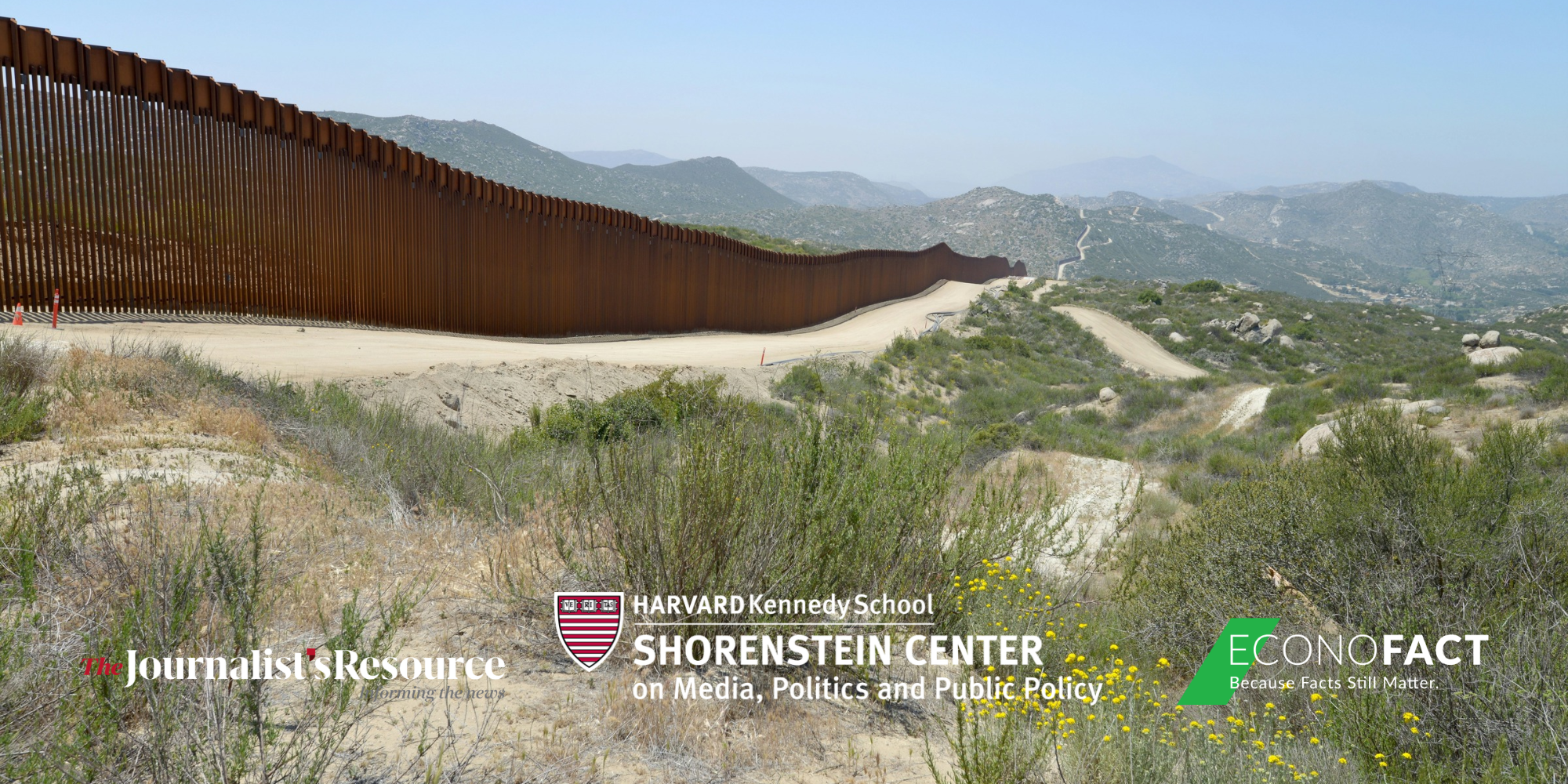

Immigration has fallen steeply since the second inauguration of President Donald Trump.
Net international migration is projected to fall by 2.4 million people from 2024 to 2026, according to the U.S. Census Bureau. International migration peaked at 2.7 million people in 2024 before falling to 1.3 million in 2025.
For 2026, the Census projects 321,000 international migrants.
Following a midterm election that could have major implications for immigration policy and enforcement, join The Journalist’s Resource, Econofact and the podcast It Turns out with Kara Miller on Nov. 9 at noon ET to talk about the economic and social effects of the immigration decline.
We’ll discuss:
- How the change in the number of immigrants has affected the economy.
- Which areas of the economy have been affected by shifting immigration policy, and how those effects will resonate long-term.
- The immigrant communities and groups most affected by recent government policies.
- How those policies have affected households where some family members are not citizens and some are citizens.
Plus, submit your questions for our panelists when you register. We’ll be joined by:
- Tara Watson, director of the Center for Economic Security and Opportunity at the Brookings Institution.
- Giovanni Peri, the C. Bryan Cameron Distinguished Professor in International Economics at the University of California, Davis.
- Binyamin Appelbaum, lead writer on economics and business for the New York Times editorial board.
Clark Merrefield of The Journalist’s Resource will host the hour. Michael Klein, executive editor of Econofact, and Kara Miller will moderate the discussion.