
Commentary
AI Violence: Thick Fakes and the Need for Grounded Policies

Commentary
 Julia Angwin
 Ami Fields-Meyer
The following is excerpted from Julia Angwin and Ami Fields-Meyer’s new book “On Courage: How to Be a Dissident in an Age of Fear.”
Angwin worked on the book while the Shorenstein Center’s Rosenthal Writer-in-Residence in the fall of 2025. Fields-Meyer is a Senior Fellow at the Allen Lab for Democracy Renovation at Harvard Kennedy School’s Ash Center.
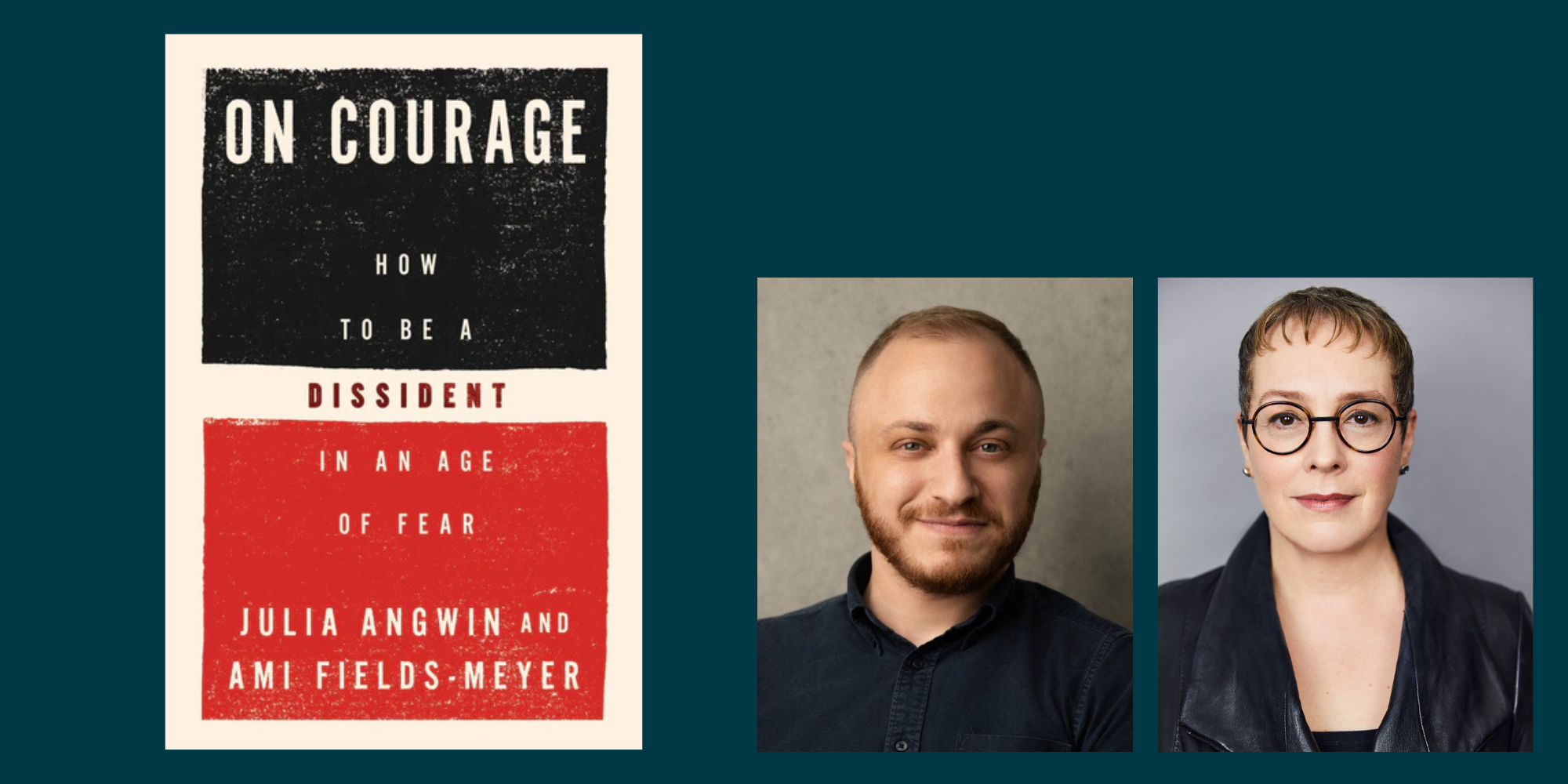
Excerpted from the book ON COURAGE, provided courtesy of Mariner Books, an imprint of HarperCollins Publishers. Copyright © 2026. Reprinted by permission.
In 2018 the Slovakian investigative journalist Ján Kuciak and his fiancée Martina Kušnírová were drinking coffee in their home when someone knocked on the door. A few minutes later, both were dead: Kuciak shot in the chest and Kušnírová in the head.
Kuciak had been investigating why the Slovakian prime minister had hired a twenty-seven-year-old former Miss Universe contestant despite her lack of qualifications. The story had taken a turn when he learned that the contestant was allegedly connected to an Italian organized crime syndicate.
The brutal assassination of Kuciak shocked the nation, prompting massive street protests. The prime minister resigned. The police chief stepped down. The government fell. And a group of journalists who had long been competitors joined forces to publish Kuciak’s reporting posthumously and continue further investigations in his name.
This is one of the reasons authoritarian violence often backfires: It can unite a fractious opposition. Beatings of protesters. Soldiers firing into unarmed crowds. State-sponsored assassinations. Masked men kidnapping people off the street. Witnessing these acts of violence can propel people away from the sidelines and into active opposition to a regime.
But of late autocrats are becoming more strategic in their deployment of state violence. In Hungary, prime minister Viktor Orbán has managed to take nearly complete control of the media without a single shot fired. Instead, he funnels money into the outlets that promote his agenda and restricts funding sources for outlets that are adversarial.
“There are no physical threats to journalists,” says Tamás Bodoky, cofounder and editor-in-chief of the Hungarian investigative news outlet Atlatszo. “It’s all about starving out the ecosystem.”
In 2024, Hungary’s government launched an investigation into Atlatszo, alleging that the organization was engaged in intelligence-gathering and disinformation activities in service of a foreign government. Bodoky fought back by suing the government for defamation, and won. Meanwhile, in 2025, the Hungarian government proposed a new law that would designate outlets such as Atlatszo threats to the nation’s sovereignty and prohibit them from accepting foreign donations. Bodoky believes that the measure, if passed, would effectively kill the last remaining independent media in the country.
A few independent newsrooms, including Atlatszo, have formed a consortium to resist the government’s quiet assault. But amid the funding setbacks, most member organizations are barely clinging to life. With scarcely any budget to support marketing, outreach, or additional lawsuits, the group amounts to little more than a series of statements opposing the bill.
Where physical violence united the Slovakian media, financial attacks have largely kept Hungarian outlets scattered and disjointed.
“Slovakia is a smaller country, but independent media is much stronger there,” Bodoky says. “We are still competing for audience, for funding, for credit, and that makes it pretty hard to do some big solidarity.”
Commentary
Reports & Papers