
Todd Rogers
Weatherhead Professor of Public Policy


Research Initiatives
Sports fandom is one of the most powerful social forces in American life. It is widespread, deeply felt, and unusually diverse. Yet it is often dismissed as mere entertainment.
The Fandom and Social Connection Initiative starts from a different premise: fandom is a social infrastructure; being a fan is good for us.
Live games give people a reason to gather. Shared fandom makes conversation easier. Seasons create rhythm and continuity. For many people, especially men, sports provide a low-pressure excuse to reach out, spend time together, and maintain relationships.
Our goal is to understand these dynamics scientifically—and use what we learn to help more people enjoy more of the social benefits of fandom.

Americans are experiencing a “connection recession.” People have fewer close friends, spend more time alone, and struggle to maintain relationships.
Sports fandom offers a promising response because it is widespread, deeply held, recurring, and fun. It cuts across demographic and political lines. It gives people shared identity, shared emotion, and shared rituals.
That makes fandom worth studying.
And worth cultivating.
And worth strengthening.
The Fandom and Social Connection Initiative is developing a number of research tracks to better understand the topic. Examples include:
Sports fandom can create shared identities across political divides.
Our experimental work finds that shared co-fandom can reduce partisan animosity at least as effectively as shared religion, race, socio-economic status, or hometown. It increases openness to interacting with political outgroups, and reduces hostile behavior toward counter-partisans. Shared fandom is one of the rare identities that can soften political division without requiring people to change their views.
At least half of sports viewing is done alone. This includes those watching the NFL, MLB, and NBA. For example, 50 million Americans watch NFL games alone every week. Our research tests whether simple prompts can turn solitary viewing into social time.
In multiple randomized field experiments, we have found that prompting people to invite others to watch games with them had sizable social effects, such as increasing feelings of connectedness and total time spent with others. People also reported enjoying watching with others more than they expected. This intervention caused a persistent increase in sociality: those in the treatment group were much more likely than those in the control group to watch with others the following week without further prompting.
These are two examples of a broader research agenda. We are pursuing many related projects on fandom, friendship, family connection, masculinity, civic life, and social connection.
The Initiative will bring together collaborators from Harvard and other universities, along with partners in sports, media, civic life, and industry. Together, we aim to build a stronger science of fandom and translate that science into real-world impact.
This site will be updated over time with new research, essays, collaborators, tools, events, and ways to get involved.
The Fandom and Social Connection Initiative is based at Harvard Kennedy School’s Shorenstein Center on Media, Politics and Public Policy and is led by Todd Rogers, Weatherhead Professor of Public Policy at Harvard Kennedy School.
The Initiative is supported by a gift from FOX Sports.
Weatherhead Professor of Public Policy

Researcher, Fandom and Social Connection Initiative

Researcher, Fandom and Social Connection Initiative

Researcher, Fandom and Social Connection Initiative
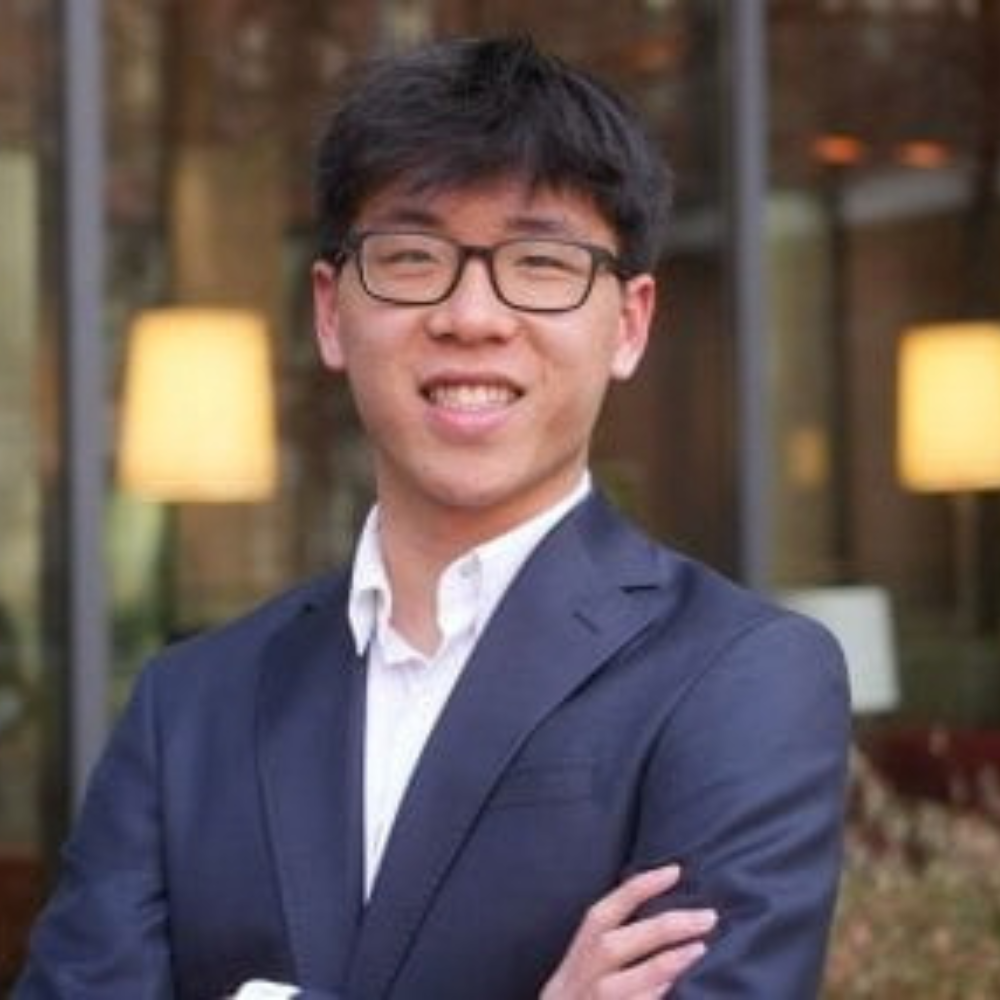
Researcher, Fandom and Social Connection Initiative

Researcher, Fandom and Social Connection Initiative
For research collaborations, media inquiries, or partnership opportunities: todd_rogers@hks.harvard.edu