
Speakers
-
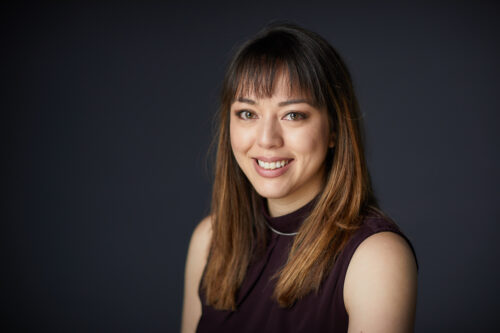 Samantha Bradshaw
Disinformation is often assumed to work by deceiving audiences, but influence can occur even when misleading content is recognized as such. This talk examines how Russian strategic narratives circulating on social media resonate with audiences in West Africa. Drawing on mixed-methods research in Côte d’Ivoire and Mali, the talk explores whether and how exposure shifts perceptions of foreign powers. The findings highlight how disinformation operates through resonance with existing grievances rather than belief, underscoring the importance of context-sensitive approaches.
This event is part of the Speaker Series on Misinformation, co-sponsored by the Shorenstein Center for Media, Politics and Public Policy at Harvard’s Kennedy School and the Network Science Institute at Northeastern University.
Samantha Bradshaw is a scholar of technology, security, and democracy. She is the director of the Center for Security, Innovation & New Technology (CSINT) at American University (AU) and an Assistant Professor at AU’s School of International Service. Her research has been published in leading academic journals, and featured in global media outlets such as the New York Times, the Washington Post, CNN and Bloomberg Magazine. Samantha regularly speaks on expert panels, delivers keynote addresses, and advises governments and international organizations. Previous speaking and advisory engagements include UNESCO, NATO, and the G7.